Skip to content
Startseite » Aesthetic dermatology » Page 2

Aesthetic dermatology

Vampire lift

A real fountain of youth for your facial skin!

Everything at a glance

What is the vampire lift and how does it work?

The vampire lift is a completely natural anti-ageing method to restore a fresh, radiant complexion and firm skin.

The plasma obtained from your blood, specially prepared and centrifuged for this purpose, causes improved cell reproduction due to the various concentrated growth factors at the treated areas. New blood vessels and fresh, endogenous collagen are formed. The connective tissue is stimulated, resulting in a natural, lasting tightening effect. Small wrinkles are smoothed out and blood circulation is improved.

The small wrinkles around the mouth, eyes, chin and forehead are particularly suitable for this treatment.

IDEAL for wrinkles under the eyes that cannot be treated with Botox or with hyaluronic acid can be treated!

I create a treatment concept for you and use the plasma either directly or in combination with hyaluronic acid.

As the result is significantly improved in combination with a Dermapen treatment, I recommend combining these two facials – a real fountain of youth for the skin!

How is the vampire lift performed?

This treatment is carried out 3-4 times at four-week intervals. The effect occurs immediately after the first treatment and lasts for around 12 months. A refresher treatment is recommended once a year. If used regularly and at an early stage, this biostimulation is the ideal way to prevent signs of ageing.

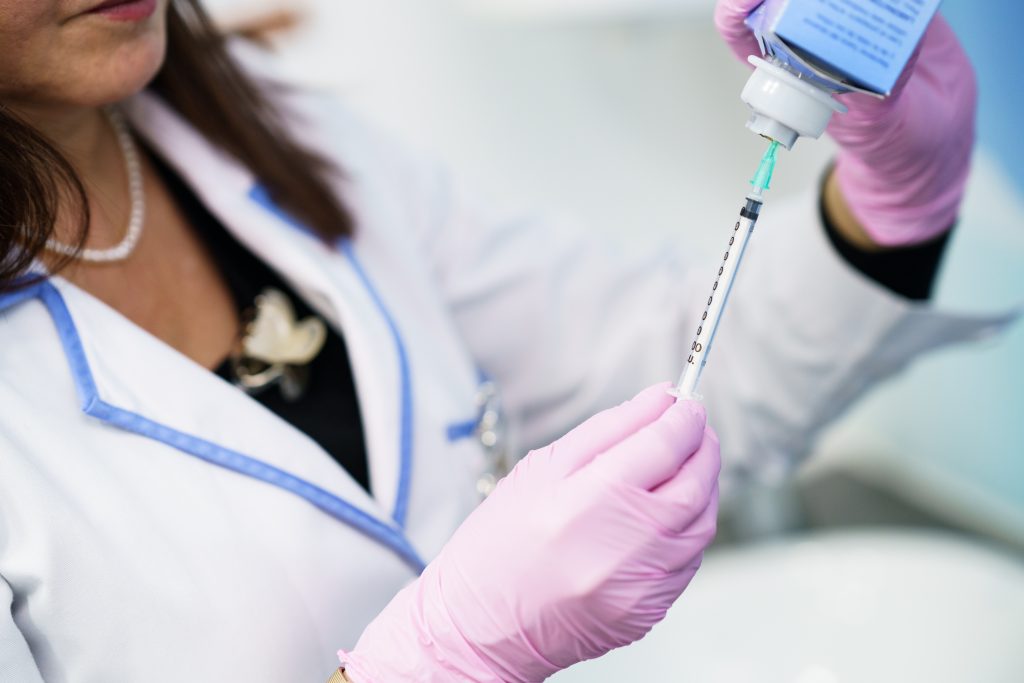
The face, neck or décolleté is carefully cleansed 25 minutes before the treatment and pre-treated with a concentrated local anesthetic ointment. After renewed disinfection, microscopically small wound channels are deliberately placed in the skin using a microneedling device. This process results in an enormous release of growth factors as the wound heals.

In the second step, the processed plasma is then applied to the treated areas like a gel and lightly massaged in. This the process in the skinof producing abundant growth factors (PGF) is intensified.

For a particularly long-lasting effect, I recommend combining the autologous blood treatment with a Dermapen treatment.

What are the benefits and effects of the vampire lift?

The effect is particularly long-lasting if you combine the autologous blood treatment with a Dermapen .

The effect

Important FAQs about the vampire lift

Autologous blood therapy is a rejuvenation treatment that uses only the body’s own materials. By puncturing the vein in the crook of the arm, the plasma growth factors obtained from the venous blood are gently injected under the skin, where they have an immediate plumping effect. The long-term effect of skin regeneration is achieved after around two months.

If you want an anti-aging treatment that uses only the body’s own substances , PRP therapy is the right choice!

Each of these treatments involves injecting plasma to treat dark circles, nasolabial folds and wrinkles around the eyes. In more pronounced cases, however, injecting plasma alone will only have a marginal effect. In these cases, a specially prepared mixture of plasma and hyaluronic acid will bring the desired results.

No blood-thinning medication should be taken one week before the treatment so as not to inhibit the vitality of the blood platelets.

Vampire lifting is a virtually painless treatment. Pre-treatment with Shift ointment for local anesthesia is available on request.

In addition to slight redness and swelling, hematomas (bruising) may occur in rare cases, which disappear within a few days.

As sensitivity to pain is generally increased during an illness, it is advisable to have any treatments carried out while the patient is healthy.

It is recommended that you do not exercise for three days after PRP therapy. In addition, you should avoid saunas, steam baths and facial peels for three days after a vampire lift. Sun and solarium should be avoided for two weeks after the treatment.
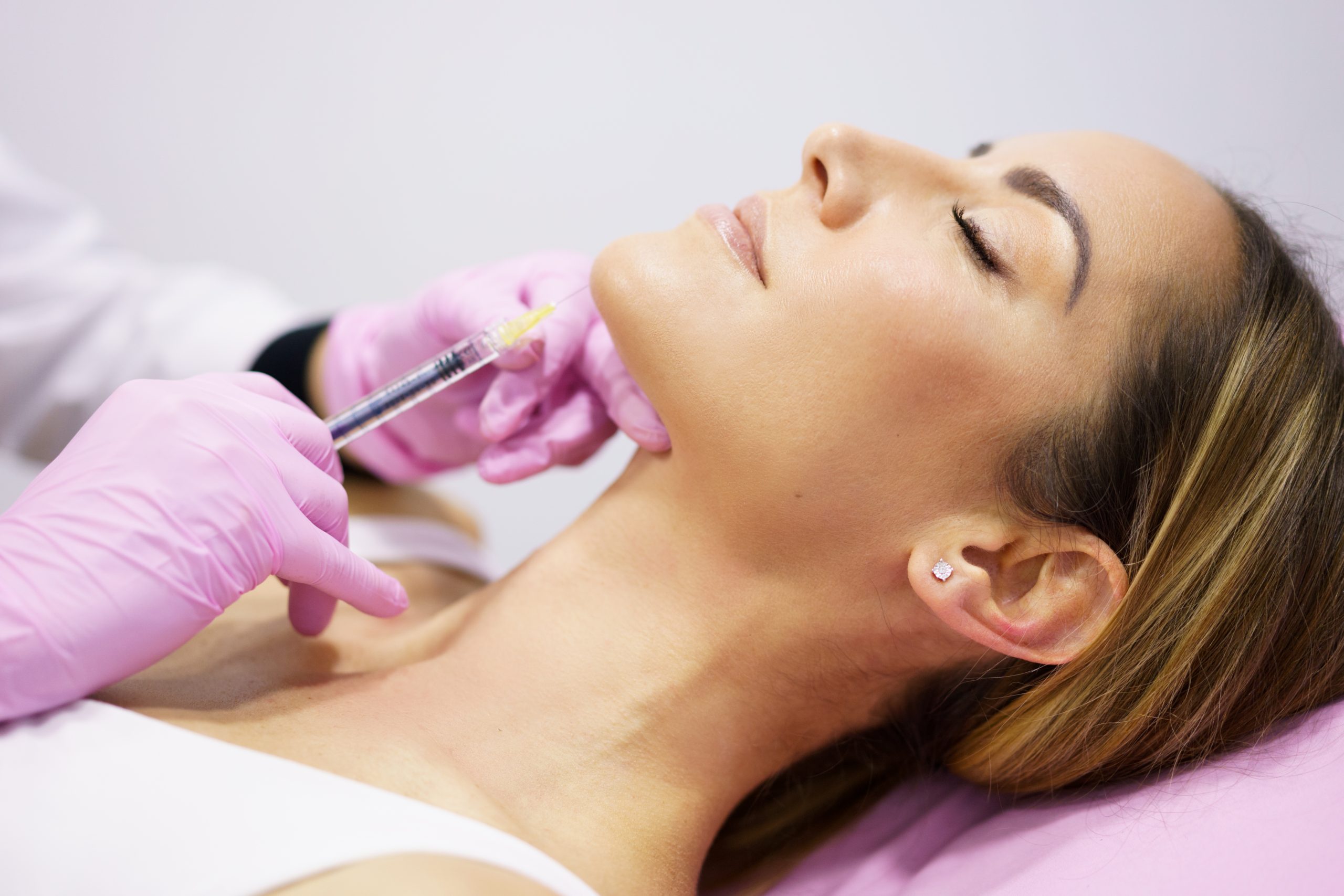
Wrinkle treatment with hyaluronic acid

Wrinkle treatment with hyaluronic acid

Injecting wrinkles - For plump skin and youthful contours

Everything at a glance

What is hyaluronic acid?

Hyaluronic acid is a natural component of the skin, comparable to a water reservoir, whose function is to ensure the elasticity of the skin and provide a plump complexion.

The hyaluronic acid content decreases during the natural ageing process. The skin loses its elasticity and freshness, becomes dry and the first wrinkles appear. The shape of the face changes, the cheeks sag, the corners of the mouth move downwards, the contours of the chin become slack and the face looks wider and wider. The youthful expression and the V-shaped face are lost over time.

What is the significance of hyaluronic acid in aesthetic medicine?

Hyaluronic acid plays an important role as a filler in aesthetic medicine. Here are some aspects that illustrate its importance:

Wrinkle injection

Hyaluronic acid is used to effectively fill wrinkles and deep skin folds. By injecting it under the skin, it increases the volume and reduces the appearance of wrinkles, especially nasolabial folds, marionette lines and forehead wrinkles.

Lip augmentation and contour enhancement

Hyaluronic acid can also be used to improve the volume and shape of the lips. Through targeted injections, hyaluronic acid can add lip volume, define lip contours and achieve an aesthetically pleasing appearance.

Improvement of facial contours

If there is a loss of facial volume, for example in the cheeks or chin, hyaluronic acid can be used to restore volume and improve the contours of the face. This can lead to a more youthful and balanced appearance.

Hydration of the skin

Hyaluronic acid has the ability to bind large amounts of water, giving it a reputation as an excellent moisturizer. Injecting hyaluronic acid into the skin can improve hydration and hydrate the skin, which can lead to a fresher and more radiant appearance.

Natural result

A major advantage of using hyaluronic acid as a filler is that it provides a natural result. Since hyaluronic acid is a substance that is already present in our bodies, it tends to blend with the surrounding tissues and create a harmonious appearance. The end result is usually a natural and unobtrusive improvement in the treated areas.

It is important to note that the use of hyaluronic acid as a filler in aesthetic medicine should be performed by trained and qualified professionals to ensure optimal results and minimal risks. Each patient has different needs and should receive an individualized consultation to find the best possible treatment option.

How does hyaluronic acid work?

Hyaluronic acid is our skin’s “moisture reservoir” and the mainstay of connective tissue and collagen production. It is essential for maintaining the youthfulness and freshness of our skin.

Hyaluronic acid injections (or hyaluronic acid fillers) ensure plump and fresh skin: the volume increase caused by the procedure creates new reserves for the skin. The fillers restore tone, moisture and elasticity instead of sagging, tired skin.

The hyaluronic acid products used in my practice restore volume and youthfulness to the skin after the first treatment and wrinkles are immediately reduced or even disappear completely. In the case of very deep wrinkles, it is often necessary to carry out several treatments in order to achieve an optimal, satisfactory result: smooth and radiant skin.

What are the benefits of hyaluronic acid?

Wrinkle injections with hyaluronic acid are a minimally invasive method of treating wrinkles. Unlike surgical procedures, it does not require any incisions or scarring. Instead, small amounts of hyaluronic acid are injected directly into the skin using fine needles. This makes the treatment less invasive, with minimal downtime and quick recovery.

One of the remarkable benefits of wrinkle injections with hyaluronic acid is that the results are immediately visible. As soon as the hyaluronic acid is injected, it fills in the wrinkles and smoothes the skin, creating a younger and fresher appearance. The effects usually last for several months to a year, depending on the specific treatment, the patient’s metabolism and other individual factors.

Wrinkle injections with hyaluronic acid offer a high degree of flexibility and customization options. The doctor can adjust the quantity and depth of the injections precisely to the patient’s needs and goals. This allows for a customized treatment to target specific wrinkles or improve volume in certain areas of the face. Every patient has different needs and the hyaluronic acid treatment can be customized accordingly.

In general, wrinkle injections with hyaluronic acid are a safe treatment with a low risk of side effects. As hyaluronic acid is a natural substance in the body, it is well tolerated and rarely causes allergic reactions. Occasionally, mild side effects such as redness, swelling or slight pain may occur at the injection sites, but these are usually temporary and subside on their own.

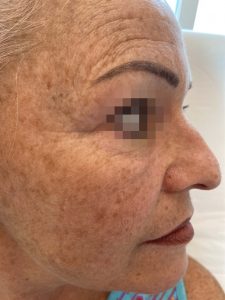
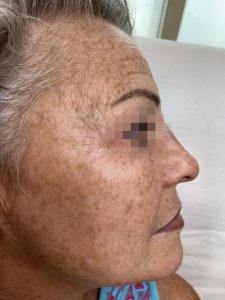
BEFORE-AFTER results

BEFORE

AFTER

BEFORE

AFTER

Which areas are treated with hyaluronic acid?

Important FAQs about hyaluronic acid injections

Hyaluronic acid is a water-binding, allergen-free, very well-tolerated gel material that is completely broken down by the body after a certain shelf life. It is primarily used to fill wrinkles and to counteract the progressive ageing of the skin. Hyaluronic acid is also used to treat facial volume deficiencies in order to achieve facial rejuvenation. Hyaluronic acid creates natural results with a long shelf life.

However, hyaluronic acid has another wonderful effect: it stimulates the body’s own collagen formation, so that the tissue is tightened and firmed from the inside out in the medium term in the course of a filler treatment! The higher the quality of the products used, the better the collagen stimulation!

You should refrain from taking aspirin or other blood-thinning medication for a week before the treatment to avoid hematoma formation due to the insertion of the needles into the tissue.

This varies from person to person. Depending on when the first wrinkles appear. However, wrinkle treatment under the age of 20 is generally not recommended.

In addition to slight skin discoloration such as subtle redness and/or swelling, overcorrections can occur in rare cases. However, these can be reversed using a special enzyme, which is what makes treatment with fillers so safe.

Hyaluronic acid injections should only be carried out by a specialist in this field, as achieving the treatment goals also requires technical know-how of the method. In particular, the correct injection depth and the correct dosage of the material, which is tailored to the respective treatment zone, are important in order to avoid side effects. Therefore, if you wish to undergo wrinkle treatment, you should consult doctors who are experts in the field of hyaluronic acid.

If the quality is good, it is usually possible to re-spray between once and twice a year.

When using premium quality from good manufacturers, the result is maintained for between 6-12 months after a hyaluronic injection.

The advantage of injections with hyaluronic acid is the immediately visible result. The anti-ageing effect is immediate and the inner beauty is transferred to the outside.

Hyaluron works immediately. The result of facial rejuvenation is immediate.

In the case of deep wrinkles, such as those at the corners of the mouth, two or rarely three treatments are usually recommended in order to first create a foundation and then (three weeks later) carry out the wrinkle treatment.

Wrinkle treatment with Botox - Vienna

Botox against wrinkles

Everything at a glance

What is Botox?

Botox is a popular aesthetic medicine procedure that can help reduce the signs of ageing. It is an injectable form of botulinum toxin type A that temporarily paralyzes certain facial muscles to give the face a firmer and smoother appearance by reducing wrinkles and fine lines. Botox injections can be used to treat wrinkles, fine lines, crow’s feet, frown lines and much more. It is important to consult a specialist before starting a Botox treatment.

Duration of effect of Botox

The effects of Botox can be seen within the first few days, but it usually takes 3-5 days for the full results of the treatment to become visible. Results vary from person to person and depend on various factors such as age, skin condition and number of injections. In general, the results last for four to six months. For these reasons, Botox has become one of the most sought-after cosmetic treatments for many people who want a youthful appearance.

How does Botox work?

Botox is a protein that very gently smoothes wrinkles on the face and neck, while at the same time tightening the skin. Botox is also used for medical purposes, e.g.

Botox injections are minimally invasive and cause little discomfort during the procedure; they also offer long-lasting results with minimal recovery time. With the right post-treatment care, you can ensure that your skin continues to look youthful and refreshed.

The muscles responsible for the formation of wrinkles are treated with Botox treatment relaxedso that a result can be seen after 3-5 days can be noticed.

Thanks to her continuous training at home and abroad, your dermatologist in Vienna, Dr. Barbara Franz, is always up to date with the latest injection techniques. This is an important prerequisite for perfect results.

Why Botox?

Our facial wrinkles are the result of our facial expressions. Joy, anger, excitement, disappointment and surprise – all emotions are reflected in our face. What are initially only visible as fine lines in youth become fine lines and wrinkles as we age, which can no longer be compensated for by facial expressions. Botox is an effective and safe method of reducing wrinkles and fine lines and gives the face a more youthful, smoother appearance.

Which wrinkles are treated with Botox?

Almost all expression lines can be treated with Botox. Botox is most commonly used to treat frown lines between the brows, deep transverse forehead wrinkles and crow’s feet.

But also the wrinkles around the lips and mouth lines as well as the so-called paving stone chin, chin furrows and chin wrinkles can be optimally treated with Botox. A “scowl” can also be treated with a Eyebrow lift can be corrected with Botox: for larger eyes and a radiant, open gaze.

What happens during a Botox consultation?

During a Botox consultation , your dermatologist will discuss the desired aesthetic result and assess your skin before performing the injections. She may also perform an examination to determine how many injections are needed and where the injections are best placed. At this time, the specialist can also answer your questions about the procedure and any potential risks or side effects. You can also take this opportunity to ask about the aftercare instructions you should follow to achieve the best possible treatment results.

What happens during a Botox treatment?

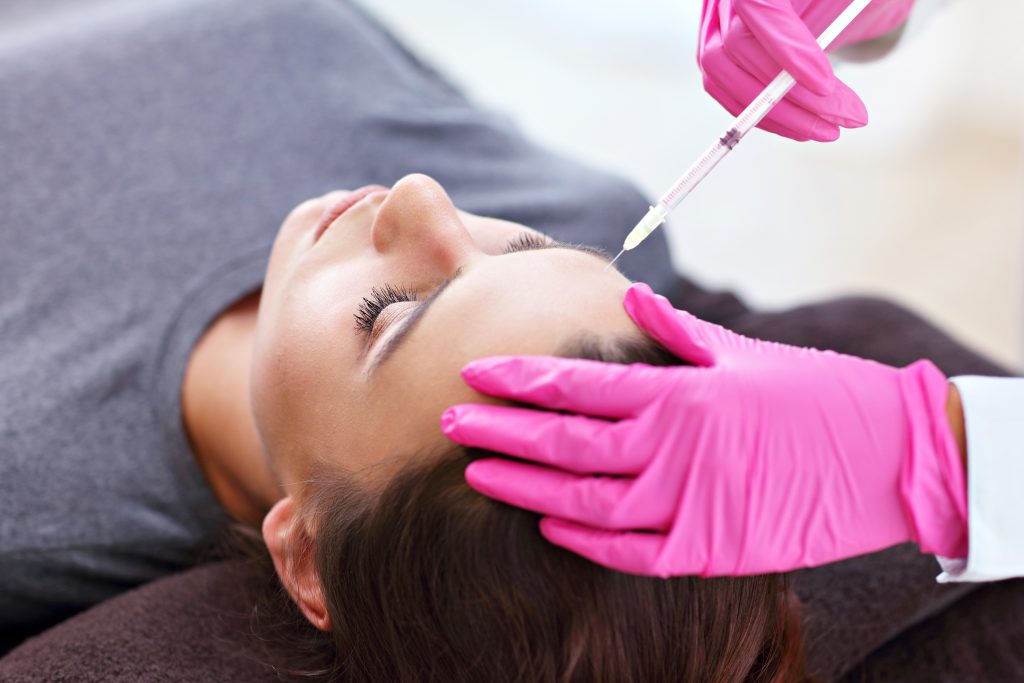
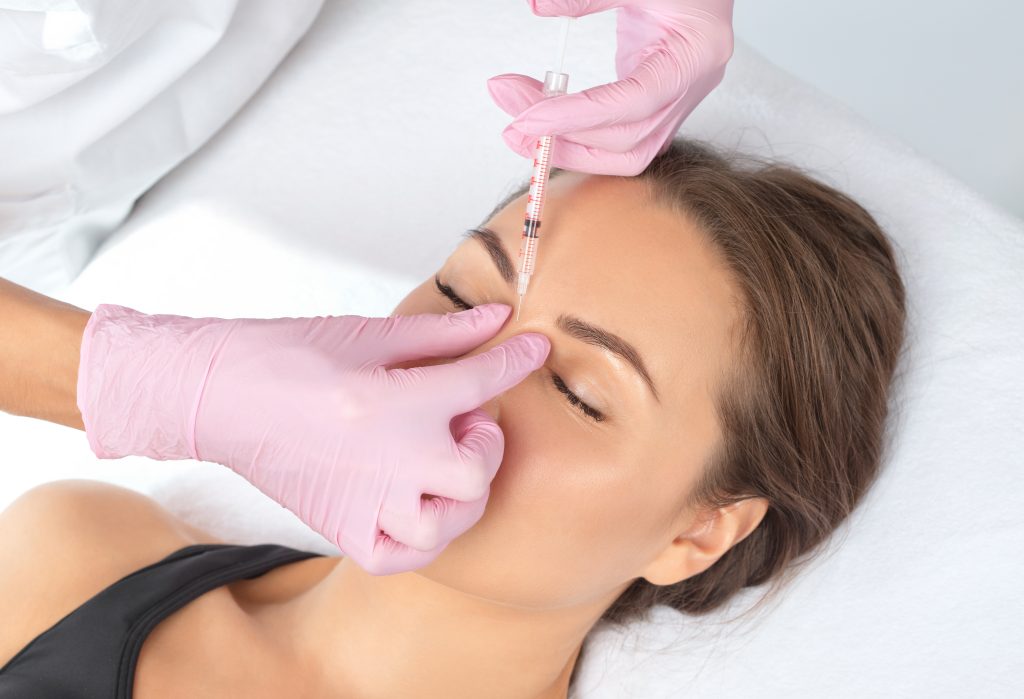
During treatment with Botox, a specialist injects the active ingredient botulinum toxin type A very precisely into the areas of the face to be treated. These injections temporarily paralyze and thus relax the facial muscles, reducing or eliminating wrinkles and fine lines. To minimize discomfort and ensure safety, your dermatologist may apply a topical anaesthetic cream or use cool packs before the procedure.

Start of treatment

Once the anesthetic has taken effect, your doctor injects the Botox solution into your face using small needles at specific points. The entire procedure usually takes about 15 minutes, depending on how many injection sites are to be treated. Afterwards, you should be able to see results within 3-5 days, such as smoothing and tightening of the treated area, with optimal results lasting up to 6 months with proper care.

What should be considered after a Botox treatment?

Your dermatologist in Vienna, OÄ Dr. Med. Barbara Franz, strives to achieve the best possible results with Botox treatments. In order to achieve optimal long-term results and the longest possible duration of effect, we recommend follow-up examinations to monitor changes in the condition or results. Depending on the individual case, the treatment can be repeated at certain intervals and adapted to the desired aesthetic goals.

Additional aftercare instructions

We also recommend additional aftercare instructions, such as avoiding sun exposure for a few days after treatment, avoiding facial massages or mechanical shocks from exercise and using topical creams to reduce redness and irritation. To achieve the best possible results with Botox injections, regular aftercare is essential.

Why is sun protection essential after Botox treatment?

Sun exposure after a Botox treatment can cause the injected areas to become red, swollen and sensitive. In addition, sun exposure can reduce the effectiveness of Botox treatments as the muscles in the injected area contract more than those not injected, which can cause wrinkles to return more quickly. The ultraviolet rays from the sun or tanning bed can also accelerate the breakdown of Botox, reducing its longevity and effectiveness.

Avoid exposure to the sun directly after treatment!

To ensure the best results from your Botox injections, you should avoid direct sunlight for a few days after the treatment and then wear sun protection with a sun protection factor of at least 30. Here are our tips for your skin care in summer!

Important FAQs about Botox

If you have certain illnesses and are taking the corresponding medication, Botox treatment is not recommended. This is the case with myasthenia gravis, Lambert-Eaton-Rooke syndrome and others. Aspirin should also not be taken for seven days before the treatment, as this can promote bruising. Pregnancy and breastfeeding also speak against Botox treatment.

As soon as the first wrinkles appear on the face, the first Botox treatment can be started, although the guideline age is 25. Ultimately, the patient and dermatologist must decide whether he or she meets the criteria for this type of cosmetic treatment.

It is advisable to avoid facial massages or mechanical shocks in order to achieve a perfect result.

Side effects include slight redness or swelling around the puncture sites, which disappear within a few hours. There is rarely a small hematoma in the puncture area, but this can be easily concealed. Side effects, such as unwanted paralysis of a neighboring muscle, are virtually non-existent in the hands of an experienced Botox user and are practically always harmless. Overall, botulinum toxin A is a very safe means of fighting wrinkles.

Botox is well tolerated. In rare cases, the administration of the active ingredient by needle can cause redness at the injection site or bruising, but these are not side effects of the product itself. These injection symptoms disappear after a few days without further treatment.

Ideal for the upper part of the face (forehead, frown lines, eye wrinkles, bunny lines on the bridge of the nose, but also for drooping corners of the mouth, “cobblestone chin” and smoker’s lines around the mouth).

It is particularly important to only have Botox performed by experienced specialists – regular certifications are important! With Dr. Barbara Franz, you are guaranteed to be in good hands thanks to her experience and numerous successful results.

Here you can clearly see qualitative differences: high-quality Botox extends the shelf life many times over. Due to the longer durability, the prices pay off significantly. You can find more information on the costs of your Botox treatment here.

RHINOPLASTY WITHOUT SURGERY IN VIENNA

Nose corrections with hyaluronic acid | Injections with hyaluronic acid

Everything at a glance

How does a nose correction with hyaluronic acid injections work?

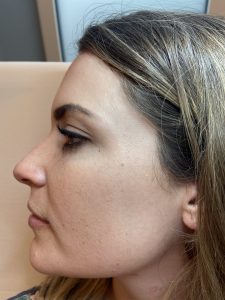
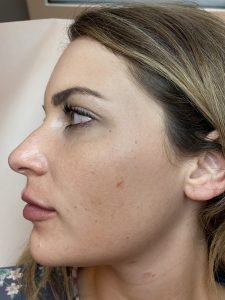
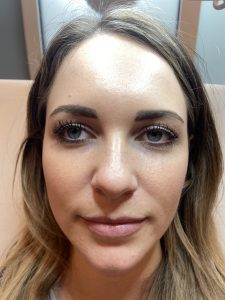
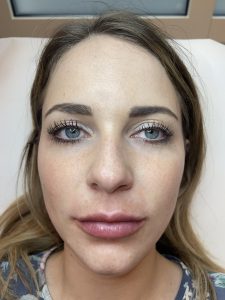
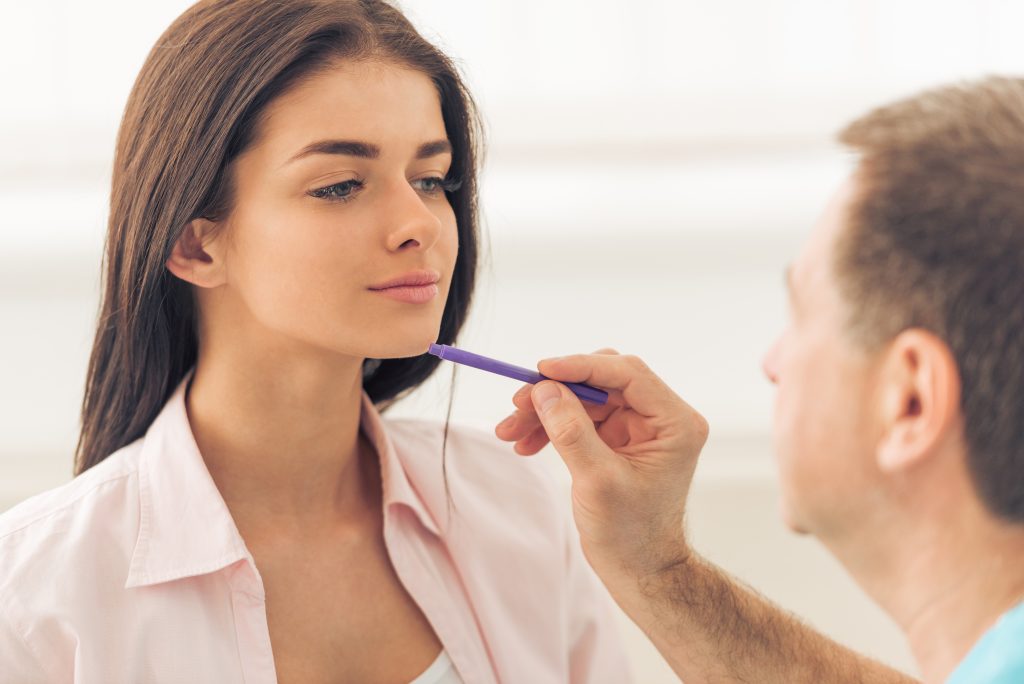
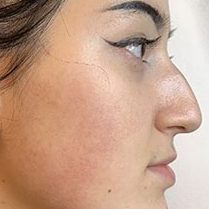
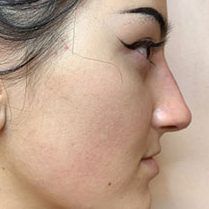
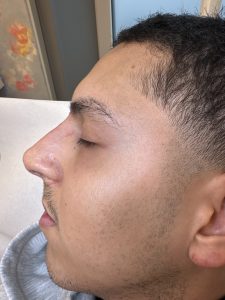
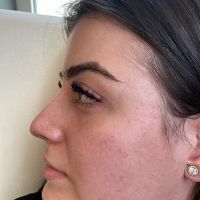
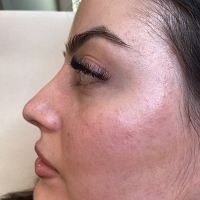
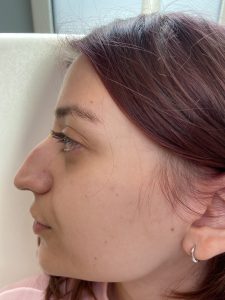
Many people are unhappy with the shape of their nose. They ask themselves: “Should I have my nose done or not?” The answer is: “Yes!”, because it’s very easy and can be done without surgery! The results speak for themselves and Slight nasal humps can be straightened using the hyaluronic acid injection method.

Due to its anatomical location in the center of the face, a visually appealing nose contributes significantly to a harmonious face – the shape, symmetry and size of the nose in relation to the rest of the face are of great importance here.

Patients are usually only familiar with the method of rhinoplasty, but small asymmetries, humps, crooked noses or drooping nose tips can be easily corrected with this treatment. However, if there are major changes, you should consult an ENT specialist who will discuss a possible operation with you.

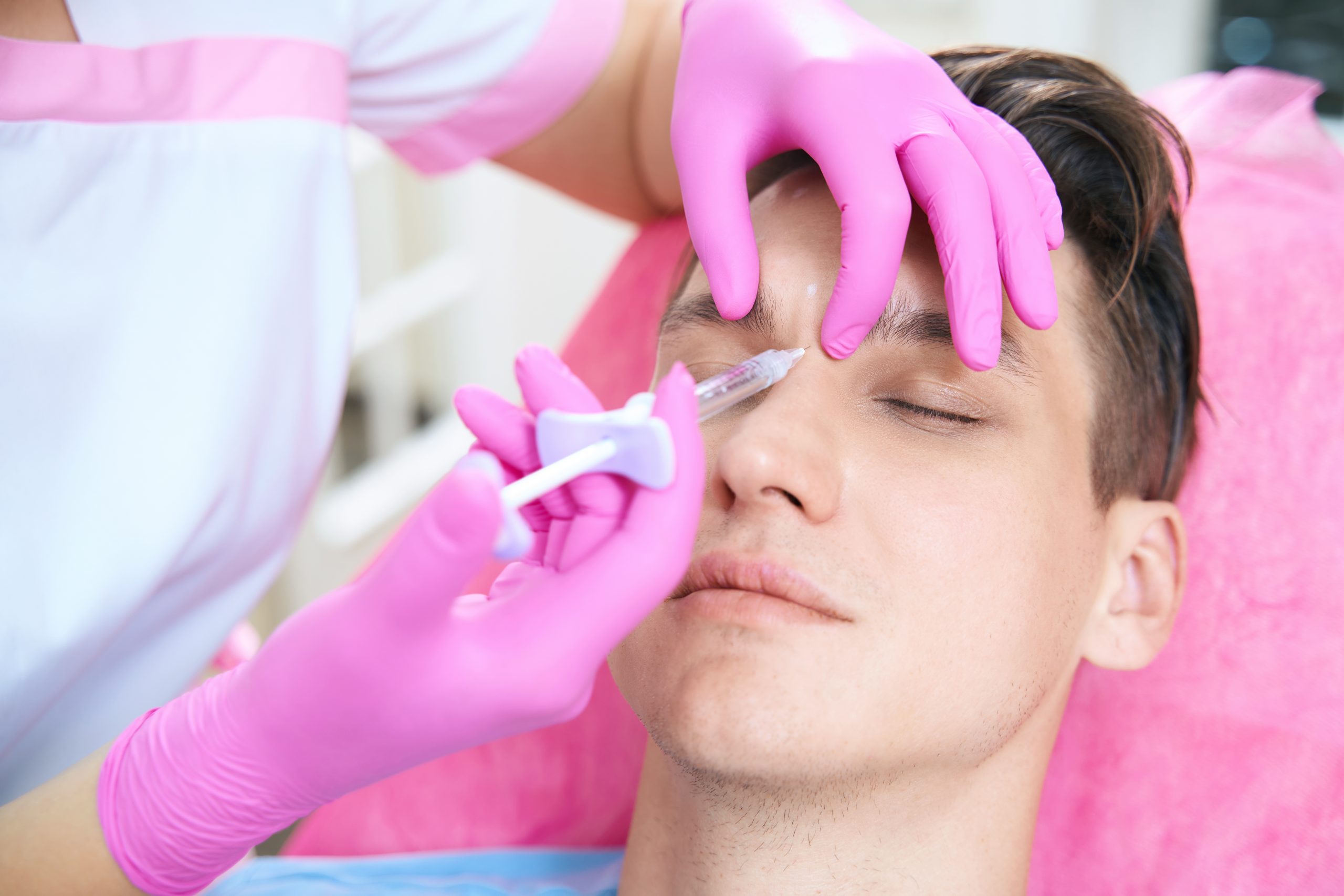
During the treatment hyaluronic acid – which is an endogenous and therefore absolutely compatible material – is applied above and below the cusp. bump is carefully injected under the skin in small amounts. The nose is then brought into the desired shape with fingertip sensitivity and light pressure. The injection of special hyaluronic acids produces wonderful results – pain-free and in a very short time.

Hyaluronic acid has many advantages!

Hyaluronic acid is the treatment of choice for correcting deficits in the nose without surgery . This treatment method is particularly suitable for straightening the bridge of the nose (an existing nasal hump or unevenness is leveled). However, depressions on the bridge of the nose can also be filled with hyaluronic filler. The tips of the nose can be raised again and wide noses can be visually narrowed by redefining and refining the bridge of the nose with a slim elevation (Asian and African noses in particular benefit from this special technique).

After a thorough examination, I will inform you in detail about the steps involved in correcting the humped nose , as not every nose is suitable for an injection with hyaluronic acid. Only after a detailed examination can it be determined whether a nose correction with hyaluronic acid is possible.

Nose injections: For a harmonious & beautiful result

By injecting and reshaping the nose in the area of the bridge of the nose, a hump or the tip of the nose, you get an immediate change and a harmonious nose. The reshaped nose can appear smaller, more symmetrical or more aesthetically pleasing .

This result is visible immediately after treatment!

Treatment with hyaluronic acid is merely an aesthetic correction to restore symmetry to the nose or to gently straighten a hump. A sunken tip of the nose can also be raised again using hyaluronic acid injections, giving the nose a softer overall appearance – without changing the original shape too much!

Furthermore, the tip of the nose can also be lifted with a supplementary mini Botox treatment to give the nose a more “snubbed” appearance. Botox can also be used to Botox can also be used to reduce the size of the nostrils.

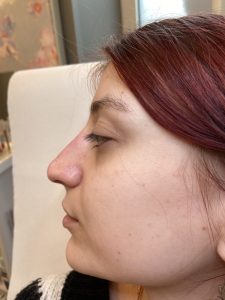
BEFORE-AFTER results

BEFORE

AFTER

BEFORE

AFTER

BEFORE

AFTER

BEFORE

AFTER

BEFORE

AFTER

BEFORE

AFTER

BEFORE

AFTER

Advantages of rhinoplasty with hyaluronic acid

The advantage of hyaluronic acid treatment lies in its properties:

Important FAQs about rhinoplasty without surgery

Before the short treatment, the nose is locally anaesthetized if desired and required. The hyaluronic gel is then injected precisely under the skin for the desired correction area of the nose. The local anesthesia lasts for about an hour after the minimally invasive procedure.The treatment is therefore almost completely pain-free.

Minimal swelling and redness are likely to occur over the area of the nose treated with hyaluronic acid. Minor hematomas may also occur on the nose, but these can be easily concealed and will have disappeared after three days.

The correction may have to be carried out in two partial treatments.Most of the hyaluronic acid is broken down over a period of more than 12 months. A refresher treatment should be carried out after approximately one year at the latest.

Not every nose is equally suitable for this treatment. However, this can be clarified during the initial examination and, if desired, the treatment can be carried out immediately.

It requires a great deal of expertise to place the hyaluronic acid in exactly the right place on the bridge of the nose in order to create a visually softer nose contour from a humped nose.

Good treatment results can also be achieved with a slightly crooked nose or a “sunken” nose tip.

Hyaluron is still malleable immediately after treatment. It is therefore essential to avoid wearing glasses for a certain period of time. It is also recommended to refrain from physical exertion so that any slight swelling or possible hematomas do not increase.

Nose correction or hump nose treatment involves a resistant hyaluronic acid gel specially designed for this area of injection.

You are fit for social life again immediately after the treatment. You will not be absent from work and will not require any further recovery time.
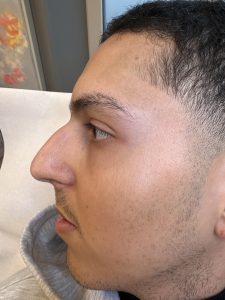
The result is visible immediately after treatment. Photo documentation records the before and after process for the patient.
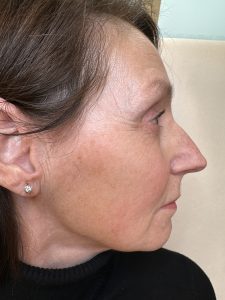
The correction of the nose with hyaluron lasts for approx. 8-12 months.

Thread lifting

For a firm & plumped-up complexion

Everything at a glance

What is the Thesera thread lift?

This completely new, revolutionary method of face lifting is just the thing for anyone who wants a firm, plumped-up complexion completely pain-free and without needles.

Where previously lactic acid or PDO threads were inserted into the skin using needles in order to stimulate collagen production and thus achieve a tightening effect, it now works completely without needles!

In the new thread liftmethod, wafer-thin silk protein threads are dissolved into microscopically small components and then packaged using nanotechnology so that they can be introduced directly into the skin – even in deep layers!

The effect is unique: in contrast to many previous tightening methods such as laser or microneedling, where you sometimes had to wait several months for the desired result – namely the body’s own collagen stimulation – you can see success immediately after the first treatment!

Thanks to the “swelling” ability of the silk proteins, which by the way are excellently tolerated, the skin appears to be “plumped up” and this tightens the chin line or sagging cheeks in particular!

BEFORE-AFTER results

BEFORE

AFTER

Spider vein sclerotherapy

No more unsightly veins

Everything at a glance

What are spider veins?

Small veins, popularly known as spider veins, are one of the really annoying blemishes that many women suffer from. But they don’t have to be. The telangiectasias, as they are medically called, can be removed easily and safely.

Spider veins are dilated, fine veins on the legs that lie directly under the skin. They are usually reddish to purple in color. The cause is thought to be a weakness in the connective tissue, which encourages the dilation of the small and delicate blood vessels, with a hereditary predisposition also playing a role.

The ideal time to treat spider veins is in the fall and winter.

Spider veins can appear as early as the age of 20. The development of spider veins cannot be prevented and they do not disappear if left untreated.

For treatment, which should be carried out as early as possible, it must always be clarified beforehand whether the patient also suffers from varicose veins in the deep leg veins. If this is the case, these must first be treated surgically.

How are spider veins removed?

Spider veins are removed using sclerotherapy = sclerotherapy. In this type of treatment, the active ingredient aethoxysclerol is injected directly into the fine, bluish veins using a small injection needle, thereby destroying the inner wall of the blood vessel in question. As a result of the treatment, blood cones are deposited on the vessel wall, preventing further blood flow through the vein.

In this way, these changes in the veins can be easily reduced. This technique glues the veins together and, like laser treatment, causes the residues to be transformed by the body into connective tissue within a period of 4-6 weeks and thus disappear.

What needs to be considered during sclerotherapy?

Important to know: An underlying disease such as a connective tissue weakness or an insufficient deep leg vein system cannot be eliminated by sclerotherapy. New vein dilatations can occur again over time.

Treatment of rosacea / couperose

Get rid of annoying facial redness!

Everything at a glance

What is rosacea?

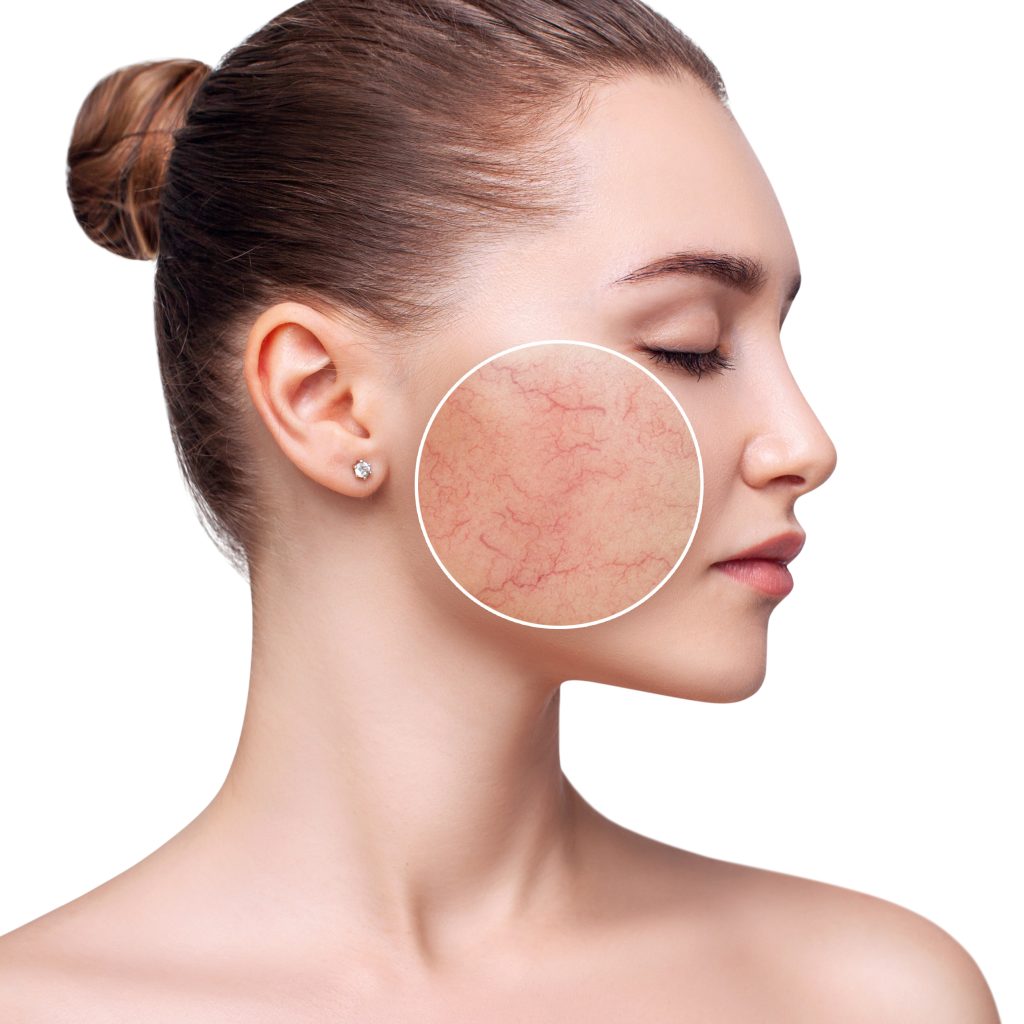
Rosacea (also known as rosacea, formerly “copper rose”) is a chronic inflammatory disease of the skin that is particularly recognizable by facial redness. It is one of the most common skin diseases and is often hereditary, but not contagious.

The skin in the facial area is most frequently affected by rosacea, usually the nose, cheeks, forehead and chin. In rare cases, areas such as the scalp, neck or décolleté also show symptoms. In individual cases, the disease also manifests itself on the eyes, with the eyelids also being affected.

Rosacea can have different degrees of severity and varies from patient to patient. The affected person does not necessarily have to reach the final stage as long as the disease is recognized and treated in time. If you suspect that you are suffering from rosacea, do not hesitate to contact your doctor. As a specialist in dermatology, I will be happy to help you. Feel free to contact me for a consultation!

In order to avoid the spread of rosacea in general, it is important to avoid various risk factors. These include, for example, excessive UV radiation, as this has a negative effect on the patient’s skin. Chronic redness in the facial area can therefore also be a result of excessive sun exposure, as this accelerates the formation of fine blood vessels under the skin. You can find out which causes increase the appearance and symptoms of rosacea on this page!

Important to know: The terms “rosacea” and “couperose” are often used as synonyms, although this is not entirely correct from a medical point of view, as “couperose” is actually a preliminary stage of “rosacea”, which does not necessarily have to result in rosacea. This is why the term ” rosacea ” is subsequently used.

How is rosacea treated?

Unfortunately, there is currently no treatment that can completely cure rosacea. Nevertheless, there are many therapeutic approaches that can help to reduce the effects of the disease. Probably the most effective way to treat it is to avoid certain triggers. If you know your triggers, you can avoid them and thus reduce the frequency of flare-ups. Gentle skin care is also important for people with rosacea. Cleansers and moisturizers that are suitable for sensitive skin can help soothe irritation and reduce redness. It is best to seek advice from a dermatologist.

Supportive therapy for rosacea with injectable polynucleotides

In our practice, we also offer the use of injectable polynucleotides in addition to classic rosacea treatment. These highly effective substances help to strengthen the skin barrier and reduce inflammation, which is often associated with rosacea. Polynucleotides promote the natural regeneration of the skin and can help to alleviate redness and skin irritation. Thanks to their soothing and repairing properties, they offer promising support for a balanced and more even complexion, even for sensitive and rosacea-prone skin.
What can I do myself to prevent/relieve my rosacea?

Nutrition

Although diet plays an important role in the development and treatment of rosacea, there is no specific diet for the treatment and prevention of rosacea, as the triggers of the so-called “flushes” are individual to each person affected.

However, experience shows that hot spices, very spicy foods and drinks, alcohol and nicotine cause vasodilation (dilation of the blood vessels) in the face. A survey of sufferers also cited tomatoes and citrus fruits as triggers for rosacea relapse. The National Rosacea Association also cites liver, eggs, dairy products and some legumes as potential triggers for a rosacea flare-up. However, which foods aggravate rosacea varies from patient to patient. Nevertheless, all those affected should avoid these foods as much as possible!

My advice

Eat a healthy and balanced diet overall. In particular, eat plenty of fruit and vegetables to reduce your fat and sugar intake. This reduces the risk of clogging the pores of your facial skin and helps to prevent symptoms. This in turn has a positive effect on the health of your skin!

Whether and how the skin reacts to certain foods is very individual. Overall, it is therefore worth consciously looking for individual foods from time to time and observing whether and how the symptoms of rosacea change as a result.

Skin care

I would like to make it clear from the outset that skin care at home cannot replace medical care in the case of rosacea! Nevertheless, it is important that you support and promote the health of your facial skin. Find out which skin care products are well tolerated by you and avoid particularly aggressive ingredients.

My tips for skin care

Avoidance of further trigger factors

In addition to diet and skin care, there are other factors that can prevent rosacea flare-ups and thus its symptoms. These include

How can a doctor help you fight your rosacea?

In my practice, depending on how far couperose rosacea has already progressed, it is treated with creams, gels or lotions specially tailored to the skin type with the active ingredients azelaic acid, which kills bacteria and excess mites and acts against keratinization of the sebaceous glands.

It should be noted here that everyone has mites living in their sebaceous glands. Rosacea can cause them to multiply many times over and trigger an inflammatory reaction in the skin. What remains in any case is the uniform redness and a feeling of heat (“flushing symptoms”), which patients find very distressing.

Finally, there are several prescription medications that can be used to treat rosacea. These include topical creams and oral antibiotics. If you are struggling with rosacea, be sure to consult your doctor and discuss the most appropriate treatment options for you.

Rosacea treatment with IPL

Treatment using IPL is also possible. In usually two to three sessions at monthly intervals, the annoying blood vessels under the skin are “flashed” and thus broken down by the body – the redness gradually disappears. The treatment only takes a few minutes and the first results can be seen just two days later: the natural color of the face returns and the skin heals without flaking or crusts!

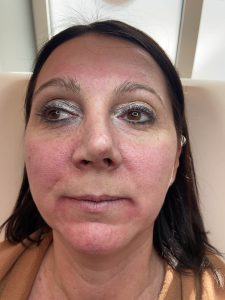
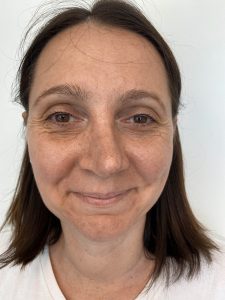
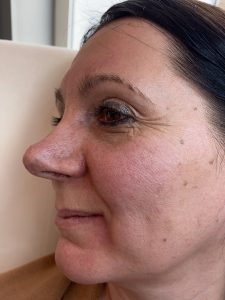
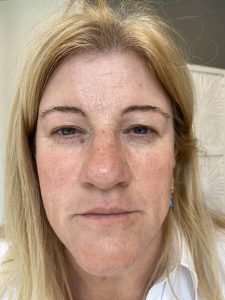
BEFORE-AFTER results

BEFORE

AFTER

BEFORE

AFTER

BEFORE

AFTER

Symptoms of rosacea

The symptoms of rosacea are different and vary from person to person. A large number of symptoms are known, but these do not necessarily apply to every patient. It is particularly characteristic of this disease that the symptoms appear in phases.

I can recognize the skin disease by the following symptoms:

Rosacea in the eyes

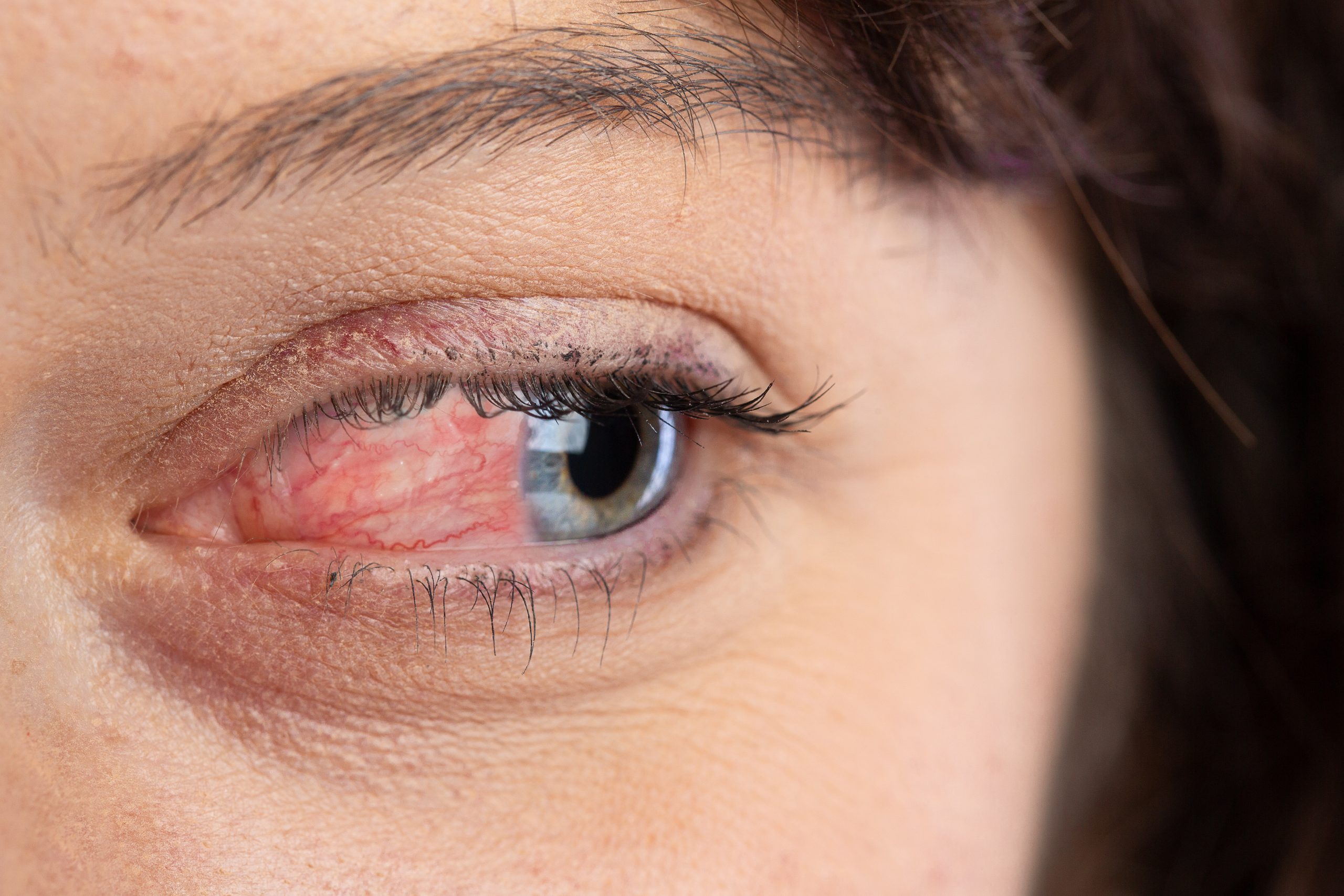
In some cases, the eyes are also affected by rosacea. Patients usually notice this through dilated blood vessels in the eyes and dry or inflamed eyes. In addition, the area around the eyes is affected by scaly and crusty eyelid edges and those affected experience a foreign body sensation in the eyes.

The eye disease usually occurs in combination with classic rosacea. If your eyes are also affected by rosacea, please contact an ophthalmologist!

Rhinophyma - "snotty nose" as a result of rosacea

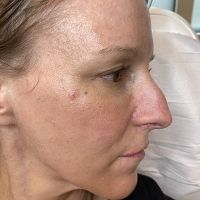
Rhinophyma, also known colloquially as “bulbous”, “potato” or “boozy” nose, is a symptom of rosacea that often becomes noticeable when the disease is severe. This symptom mainly occurs in older men! Although rhinophyma is often referred to as a “boozer’s nose”, it can also occur with complete abstinence from alcohol.

Many of those affected suffer from the psychological consequences of the cosmetic effects of rhinophyma, but the widespread rosacea on the nose does not pose a health risk. In some cases, patients find it more difficult than usual to breathe through their nose.

Causes and risk factors

What are the causes of rosacea?

As already described, rosacea is a chronic skin condition that causes inflammation and redness on the face. There are many possible causes of rosacea, but the exact causes are unknown. Nevertheless, there are some factors that can increase the risk of developing rosacea. These include fair skin, a family history, certain illnesses and the use of certain medications. Rosacea is also more common in women than in men and usually begins after the age of 30.

There is no cure for rosacea, but targeted treatments can help control the symptoms. Do you have any of the above symptoms and suspect that you have rosacea? See a dermatologist in your area! Feel free to contact me for a consultation! If your suspicion is confirmed, I will work with you to create the most suitable treatment concept for you! I look forward to hearing from you!

What factors aggravate rosacea?

There are a number of factors that can aggravate rosacea, including sun exposure, stress, weather changes, alcohol consumption and spicy food. Sun exposure is a common trigger for rosacea flare-ups as the heat can dilate blood vessels, leading to redness and inflammation. Stress can also exacerbate rosacea symptoms as the body releases cortisol as a natural response to stress. This substance can cause the blood vessels to dilate.

Changes in the weather can also trigger a flare-up, as extreme temperatures can dilate or contract the blood vessels. Alcohol consumption can also aggravate rosacea as it causes the blood vessels to dilate. Finally, spicy foods can also trigger a rosacea flare-up as they dilate the blood vessels and cause the body to sweat.

An overview of factors that aggravate rosacea:

Who is affected by rosacea?

Rosacea mainly affects people with skin type 1. Special characteristics of this skin type are a particularly light skin color, reddish or light blond hair, light eyes (blue, green, gray), freckles and a strong tendency to sunburn. This is also the reason why the disease, in which those affected suffer from facial redness, occurs more frequently in the north than in the south and is often referred to as the “curse of the Celts”.

But why do lighter skin types suffer more frequently from unwanted facial redness?

This is because they do not have the ability to form sufficient pigment and their sun-sensitive skin reacts with increased vascular growth (tendency to redden) instead of a “tan” (i.e. pigment formation). Such a reaction is considerably intensified by the sun. Spicy foods and alcohol can also significantly worsen the unloved tendency to redden. As bacteria and skin mites also feel at home in this skin condition, purulent inflammations with “pimples”, i.e. painful deep-seated lumps, also occur in the further course of the disease.

Are men or women more frequently affected by the skin disease?

Experts are convinced that women suffer from the disease more frequently than men. However, opinions differ here, as other specialists have found that both sexes are equally affected. The development of nodular changes in the skin (phymas) occurs predominantly in men. The maximum variant of this skin disease, the dreaded “snotty nose” or “bulbous nose”, is characterized by a significantly enlarged, heavily reddened nose covered in pustules, which occurs predominantly in men.

Rosacea in children

Children are little or not at all affected by rosacea. The disease manifests itself with similar symptoms (redness on the face) as in adults. In children, the areas around the eyes often suffer from rosacea. The onset of the disease is most common in people between the ages of 30 and 50.

The stages of rosacea

The disease can progress rapidly, but can also come to a standstill at any stage. The disease usually progresses in relapses, so timely and professional treatment is essential to prevent this!

The preliminary stage of rosacea can be recognized by sudden, fleeting reddening of the skin, which often occurs under the influence of external stimuli (heat, cold, spicy food, alcohol) and stress.

In stage 1 (rosacea erythematosa-teleangiectatica), the skin is reddened and has dilated blood vessels. The cheeks and nose are particularly affected. The skin may burn or itch. Initially, the redness subsides, but later on it remains permanently visible. Couperose is the most common subtype of rosacea, accounting for 70% of cases.

In stage 2 (rosacea papulopustulosa), the quality of the skin deteriorates further. In this phase, inflammatory, reddened, sometimes pus-filled blisters and nodules appear as rosacea symptoms in addition to the reddening of the skin. In some cases, swelling (also lymphoedema) also develops in the facial tissue.

Stage 3 (rosacea hypertrophica) describes the most severe form of rosacea. Here the sebaceous glands and connective tissue are greatly enlarged. This stage is characterized by proliferating sebaceous glands and a leathery coarsening of the skin structure. These bulbous growths are also called phyma. The “bulbous nose”, which describes the appearance of these growths on the nose (rhinophyma), is particularly well known. Those affected often suffer greatly, particularly because of the cosmetic effects of these changes.

It is often difficult for the treating physician to classify the patient in exactly one of the above-mentioned stages. A modular system for assessing the severity of the disease (Rosacea COnsensus Panel, ROSCO for short) is therefore increasingly gaining acceptance among experts. This system differentiates between main and secondary symptoms in relation to the duration, frequency and severity of the disease. The system is used to make adequate treatment suggestions in order to help the patient in the best possible way.

Special forms of rosacea

In addition to classic rosacea and its best-known precursor, “couperose”, there are some special forms that occur rather rarely.

What is the difference between couperose & rosacea?

Couperose and rosacea (also known as copper rose, senile acne or rosacea) are chronic diseases of the facial skin. They are caused by a genetic weakness of the connective tissue layer in the face.

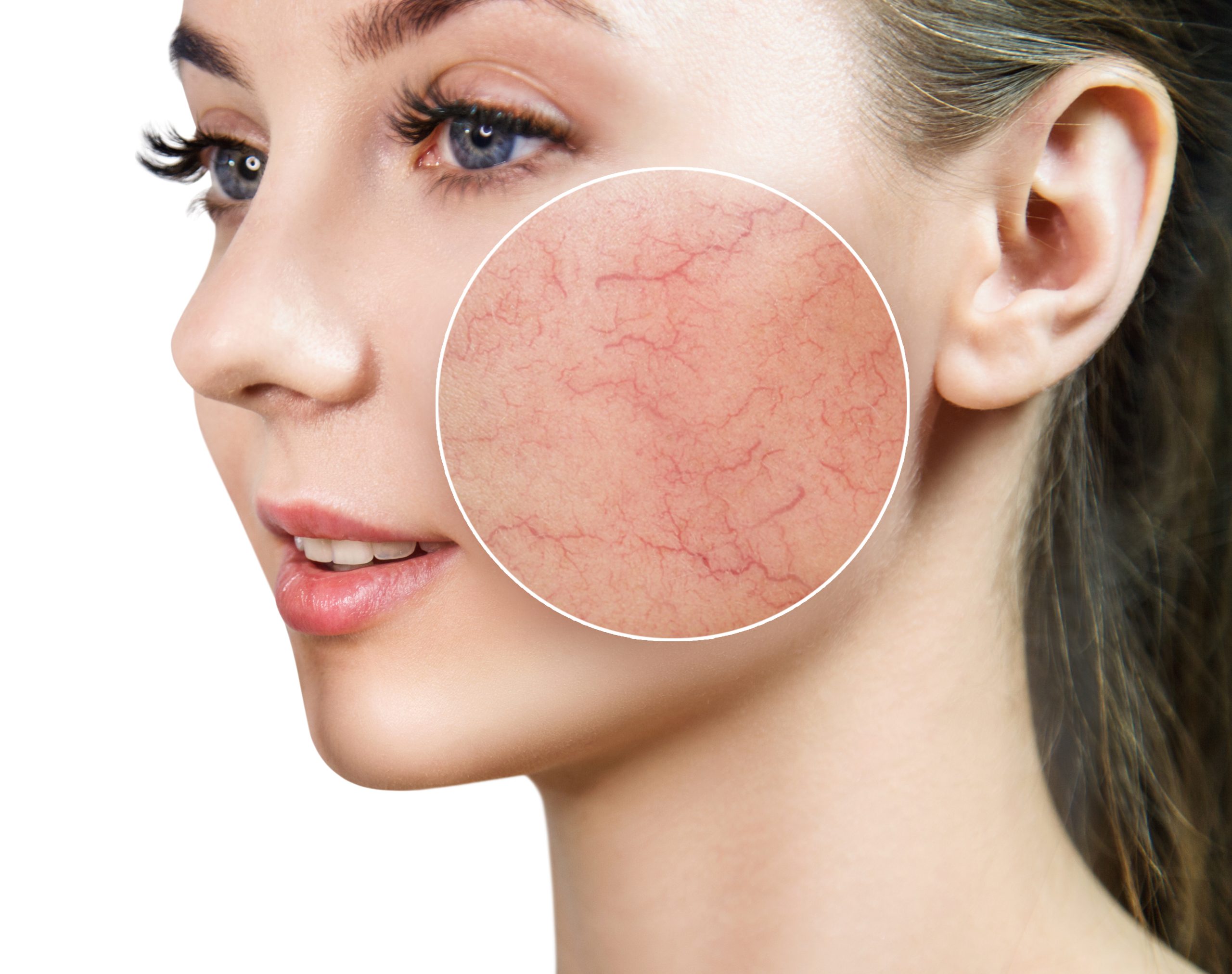
Today, most doctors assume that couperose is not a separate clinical picture, but an early form of rosacea. Couperose, or the early stage of rosacea, manifests itself in the form of redness caused by dilated veins on the face. Later on, feelings of tightness, itching, dryness and increased sensitivity of the facial skin can also occur.

Treatment of rosacea / couperose using an IPL laser

One of the most effective therapies for unwanted redness on the face is laser treatment. The IPL laser is particularly popular here. This is the “gold standard” in the treatment of rosacea thanks to its unique results!
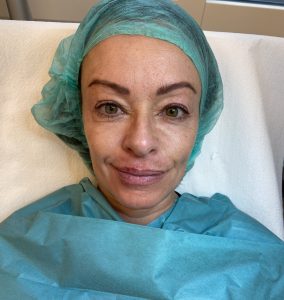
Intense pulsed light therapy is considered a treatment method for rosacea with very good cosmetic results. Its treatment successes are far superior to drug treatments and surgical procedures. The treatment is a laser treatment.
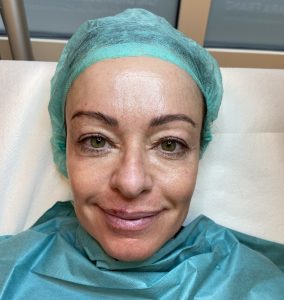
During treatment, the laser irradiates the affected areas of skin in a controlled manner with intense pulses of light. The thermal energy of the laser light welds the blood vessels together in a targeted manner and obliterates them. The unwanted reddish and bluish discoloration disappears, resulting in a visible improvement in the appearance of the skin. In addition to the cosmetic effects, the IPL laser also has a positive effect on the rate of inflammation.

I am always available to answer any questions or concerns you may have about rosacea and my methods. Please feel free to contact me by phone, e-mail or online appointment. Your health is important to me! I look forward to hearing from you!

Treatment of other types of redness on the face

Not only rosacea can be treated well and effectively with IPL treatment. This therapy also helps with the following complaints:

Important FAQs about laser treatment for rosacea

The treatment method can be used at all stages of the disease. It is recommended that treatment with the IPL laser begins in the fall or winter, as the concentration of melanin in the skin is at its lowest during this time. Melanin is responsible for a tanned complexion. It absorbs the light energy of the IPL laser and weakens its effect.
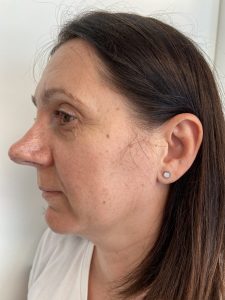
Intensive pulsed light therapy is an almost painless treatment for patients to treat unwanted pustules, spots and/or nodules under the skin. During treatment, a slight prickling sensation can be felt, which may be perceived as painful by some patients. However, this depends on your individual perception of pain.
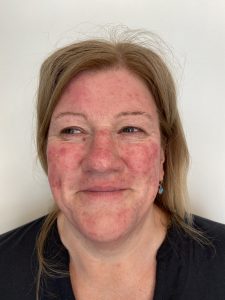
A treatment only takes a few minutes. Four to five sessions are required for lasting success. Other laser systems such as copper vapor lasers, argon ion lasers or KTP lasers are not suitable as an alternative to the IPL laser. They are characterized by an unnecessarily increased risk of scarring, which is not the case with intensive pulsed light therapy.

GDPR Cookie Consent with Real Cookie Banner